
Autumn rainfall can create favourable conditions for a range of insect pests, making regular crop monitoring an important part of early-season crop management.
Australian plague locusts may become a concern following significant rainfall events, particularly when favourable conditions in northern pastoral regions support breeding and migration. Locust management can be challenging due to limited control options and the ability of adult insects to reinvade treated paddocks from surrounding areas.
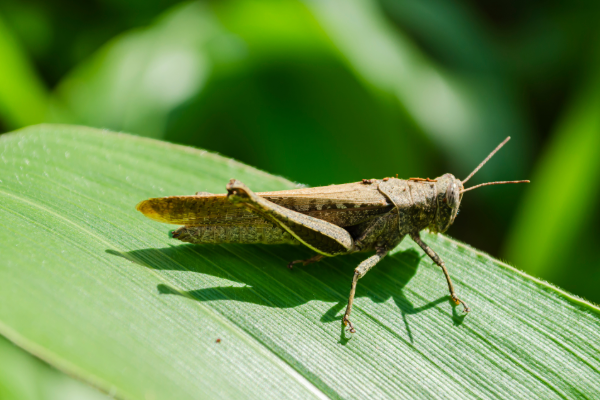
Growers are encouraged to regularly inspect establishing crops, paying particular attention to paddock edges where adult locusts often congregate. While cooler winter temperatures typically reduce insect movement and activity, populations may increase again during spring as dormant eggs hatch. Any large numbers of locusts should be reported to the Exotic Plant Pest Hotline on 1800 084 881. If locust activity is causing concern, speak with your agronomist about monitoring techniques, economic thresholds and available management options.
Beyond locusts, growers should remain vigilant for a range of common early-season pests. Lucerne flea and Bryobia mite (clover mite) can cause significant damage to emerging seedlings, with canola and pulse crops particularly vulnerable during establishment.
Other pests to watch for include snails, millipedes, slaters, earwigs and mandalotus weevil. These pests are often more active following rainfall events, especially in paddocks with retained stubble or high levels of surface residue. Early detection is critical, as significant feeding damage at the seedling stage can impact plant establishment and reduce crop vigour.
Regular crop inspections throughout establishment will help identify pest pressure before economic damage occurs and ensure control measures can be implemented when required.
For tailored advice on insect monitoring, pest identification and control strategies this season, contact your local YP Ag branch to speak with one of our experienced agronomy team members.