
Effective early-season weed control remains one of the most important factors in protecting crop establishment and preserving yield potential.
Where autumn rainfall has encouraged a strong germination of volunteer plants and weeds, growers should take advantage of knockdown opportunities prior to seeding to reduce early competition. A clean start can significantly improve crop vigour and reduce weed pressure throughout the growing season.
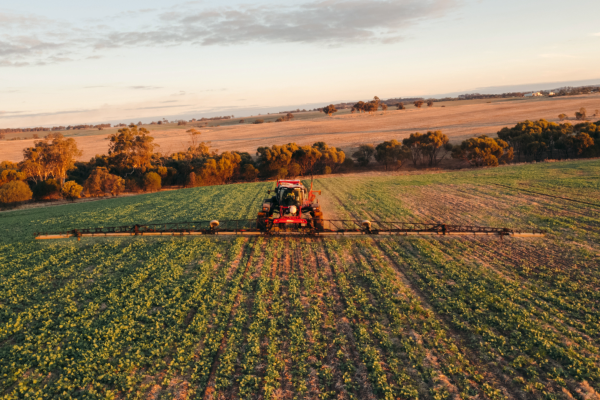
Capeweed should remain a key focus, particularly in paddocks that have experienced high populations in recent years. Even where pre-seeding control has been successful, ongoing monitoring is essential. Early intervention while capeweed plants are small will provide the most effective control and help prevent further seed set and population increases.
Current soil moisture conditions are also likely to favour the performance of pre-emergent herbicides targeting annual ryegrass. While these products form the foundation of many ryegrass management programs, they should not be relied upon in isolation. Regular crop inspections are important to assess herbicide performance and identify any early escapes.
For growers using Mateno® in wheat and barley, timing is critical. Applications should target ryegrass at the recommended growth stage, as control can be significantly reduced once plants exceed the three-leaf stage. Missing this application window may limit control options later in the season.
In pulse crops, post-emergent grass control programs generally offer greater flexibility. However, small grass weeds remain easier and more cost-effective to control. This is particularly important in paddocks where resistance to herbicides such as clethodim and butroxydim may be developing.
A proactive approach to weed monitoring and timely herbicide application will help maintain crop competitiveness, reduce seedbank pressure and support long-term resistance management strategies.
For tailored advice on weed management and seasonal agronomic planning, contact your local YP Ag branch to speak with one of our experienced agronomy team members.